Student-led water equity project
Every drop for everyone
Aquity works on water from two directions. A public cyclothon puts water equity on the agenda. A research-to-delivery project tested local water and now supplies daily free water to 650 labourers.
What we do
Two projects, one cause.
They run independently. One changes how people think about water. The other changes who gets to drink it.
Project 01
The Cyclothon
A 12 km public ride for water equity and sustainable practices at Shiv Nadar School.
Project 02
Research to Delivery
Study the problem, test the water, then deliver the fix: daily free water for construction labourers.
Project 01 · The cyclothon
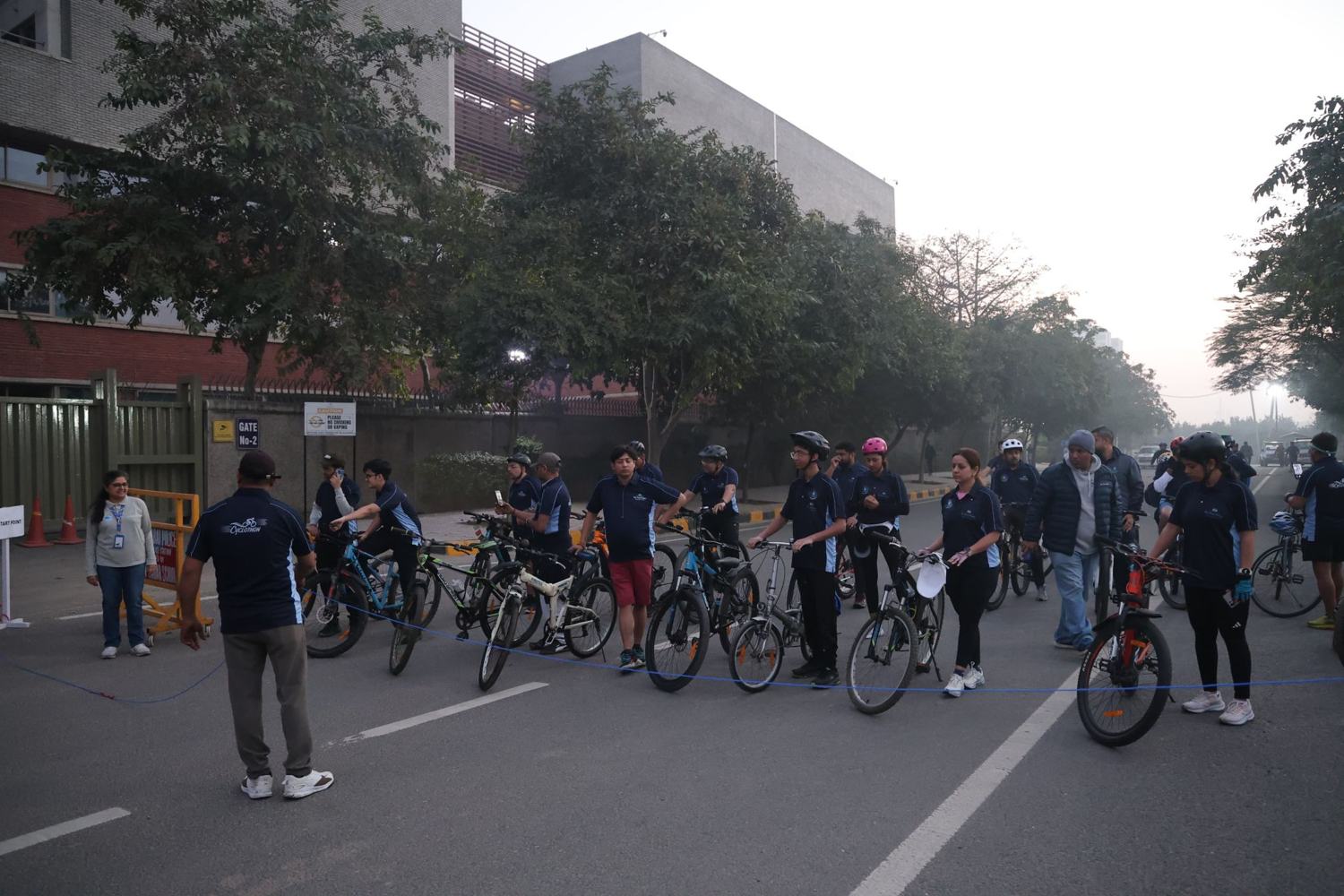
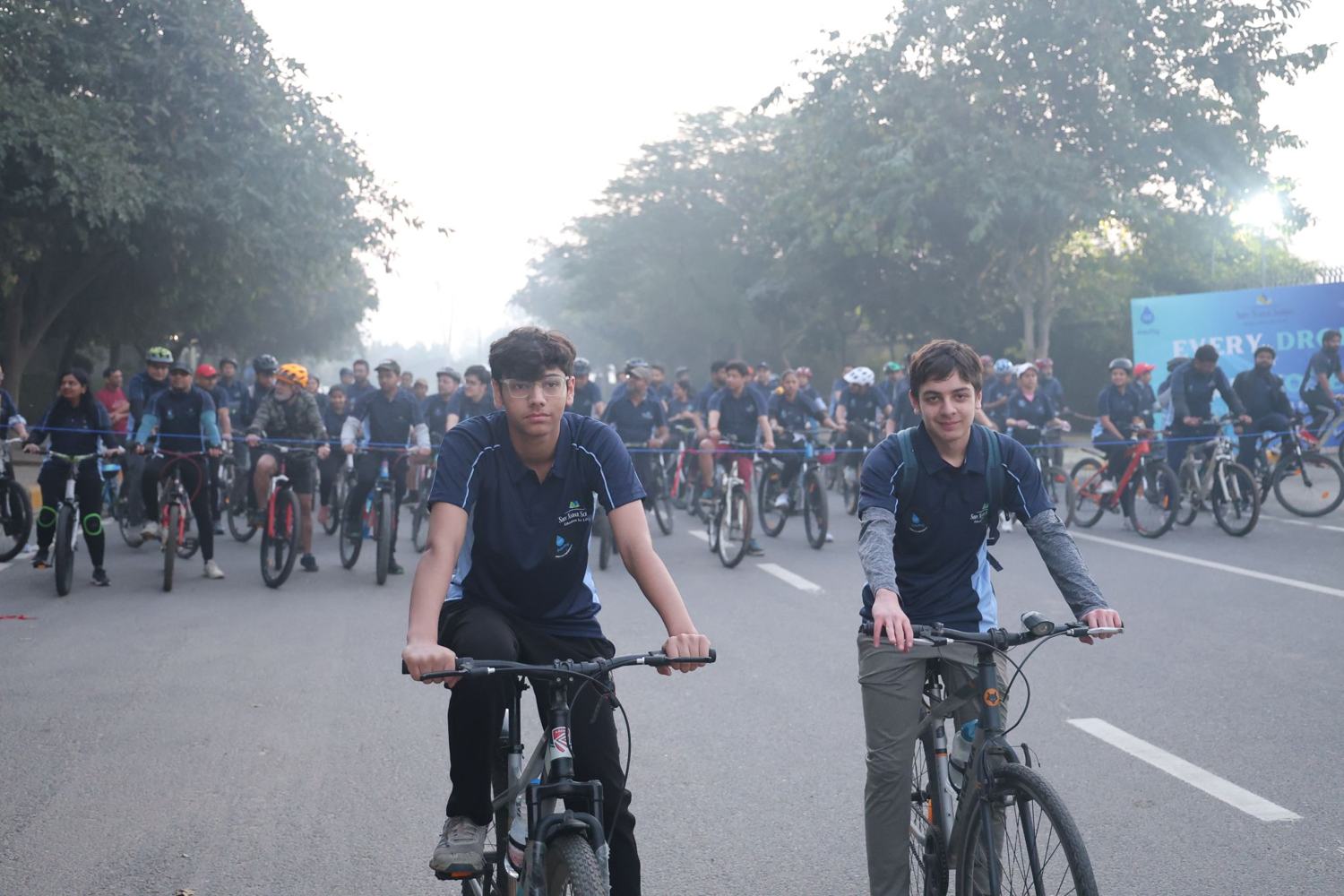
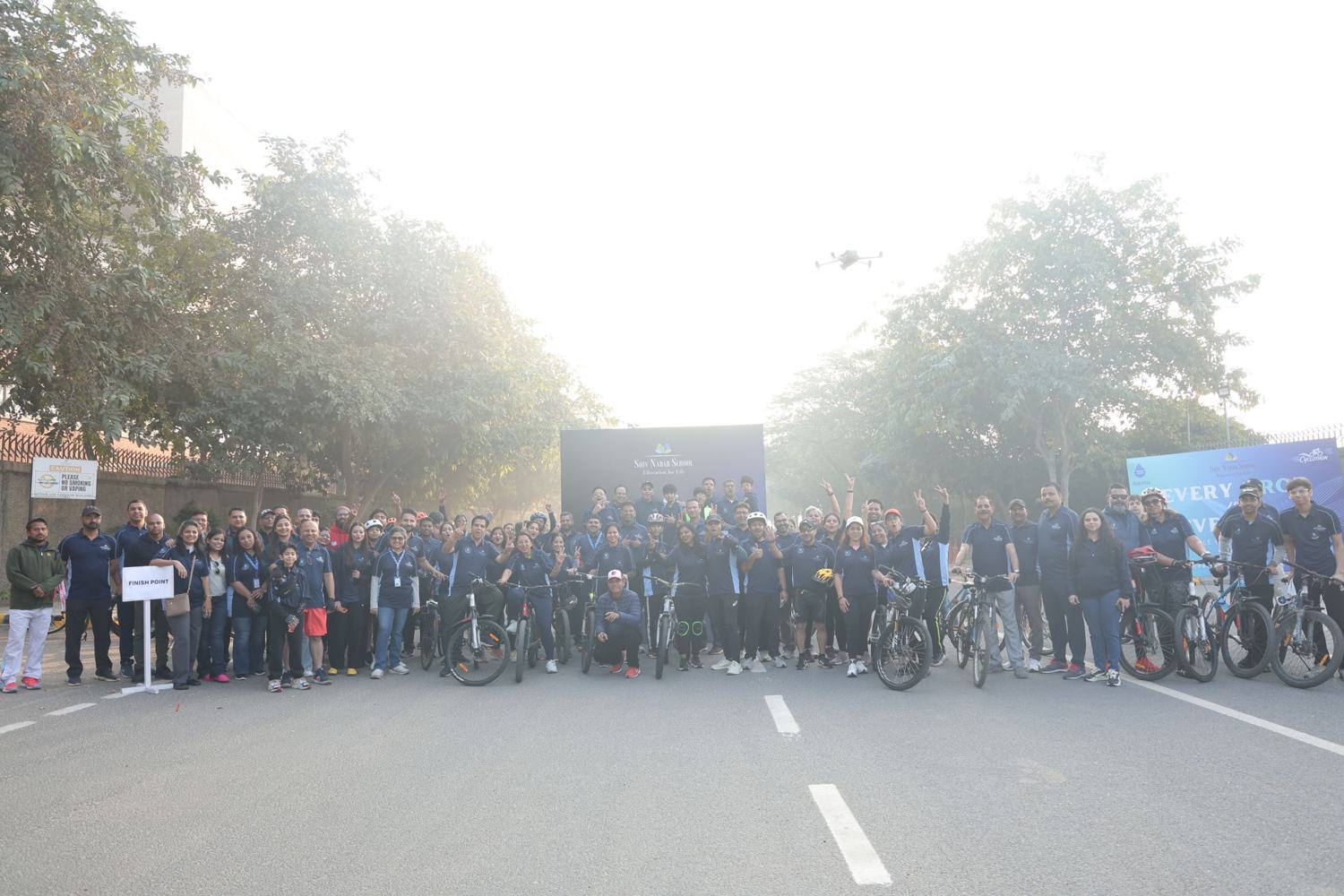
12 km. 100+ riders. One message.
Endurance events draw people who would never attend a talk or a report launch. We turned a morning ride into a visible, shared statement about water equity and sustainable practices.
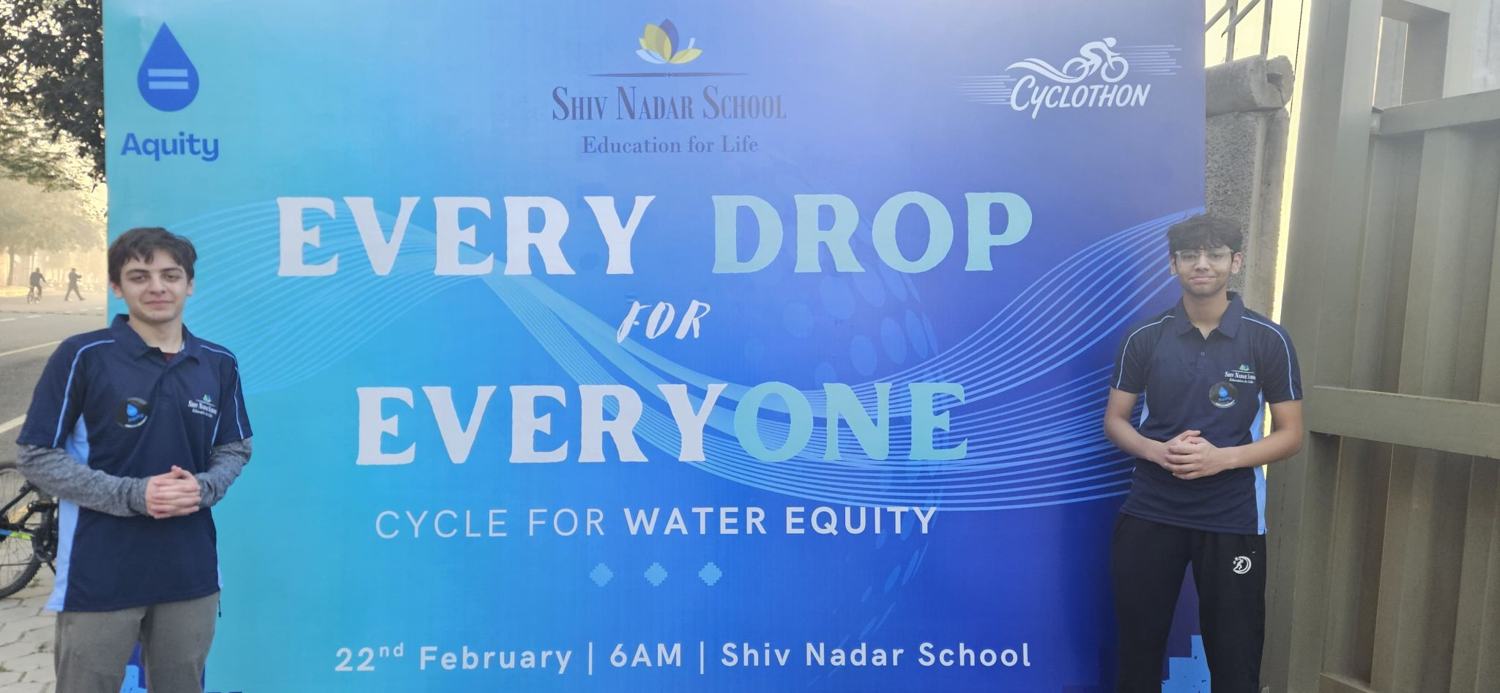
Cycle for water equity
- When22 February, 6 AM
- WhereShiv Nadar School
- Route12 km, with awareness stops
Why a cyclothon
The format did outreach that a pamphlet could not. People came for the ride and left talking about water.
What it stood for
A shared commitment to water equity and sustainable practices, from 100+ people, on a public road.
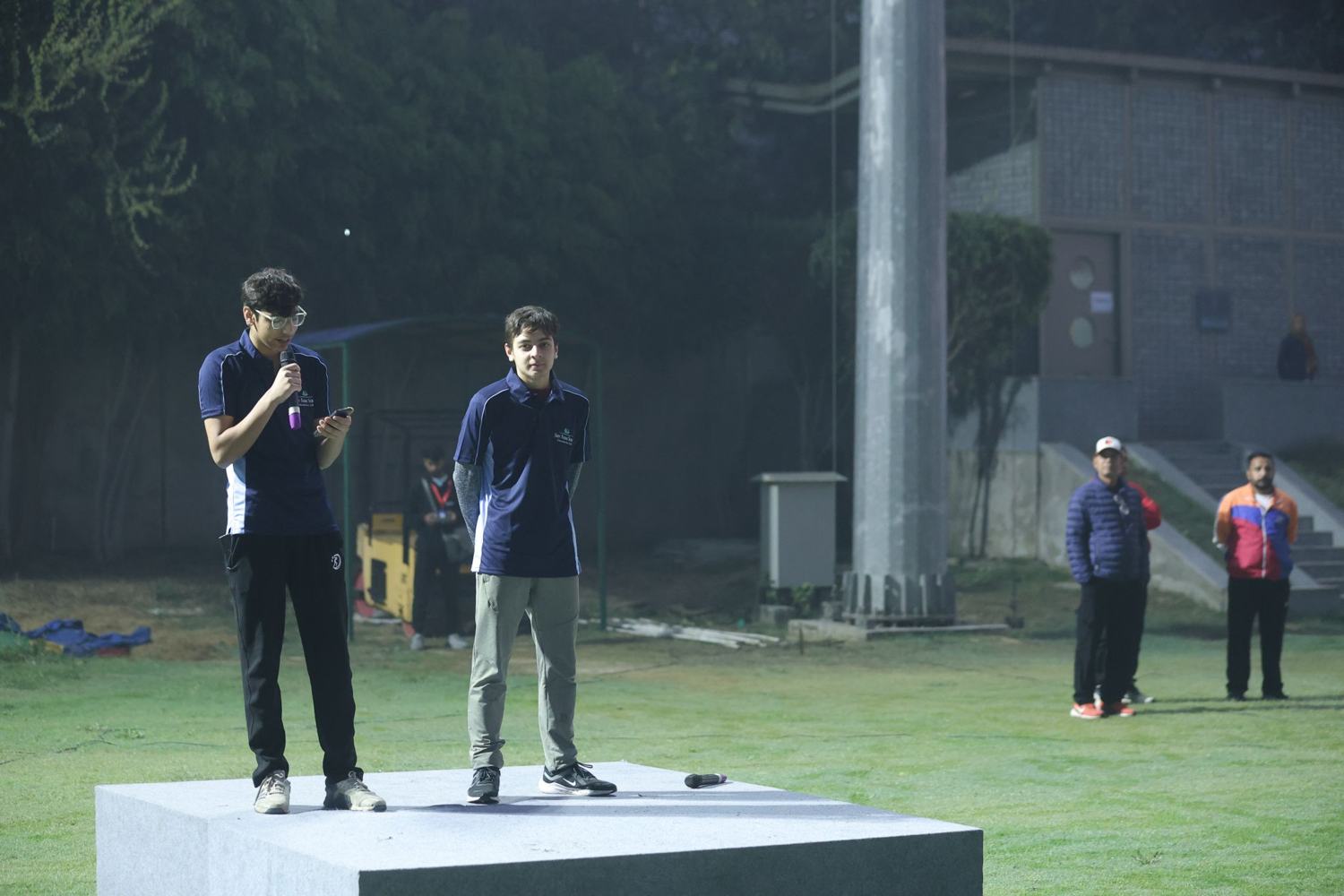
On the day · tap a photo to enlarge
Project 02 · Research to delivery
Study it. Test it. Fix it.
Three connected stages. The research chose where to test, the lab proved the problem, and the delivery put clean water in people's hands.
Research
Who we studied
Underprivileged households and daily-wage workers in areas without reliable municipal supply, found through site visits and conversations.
What it fed into
The findings decided where we prioritised lab testing and which construction sites needed water most urgently.
The lab
Two samples went to an independent lab, tested against IS:3025: untreated bore well water from a site source, and the same source after RO treatment.
| Parameter | Unit | Bore well | RO treated | Limit |
|---|---|---|---|---|
| pH | none | 7.52 | 6.31 | 6.5 – 8.5 |
| Chloride (Cl) | mg/l | 315 | 180 | Max 1000 |
| Sulphate (SO₄) | mg/l | 158 | 3.2 | Max 400 |
| Total dissolved solids | mg/l | 1680 | 92 | Max 2000 |
| Total hardness (CaCO₃) | mg/l | 384 | 20.0 | Max 600 |
| Iron (Fe) | mg/l | 0.178 | < 0.1 | No relaxation |
Both samples sit within limits on chloride, sulphate, TDS, hardness and iron, and RO treatment cut each of them sharply. One figure we flag openly: the RO sample's pH read 6.31, just under the 6.5 lower bound. That unit needs a re-check.
On the ground
Free water, every day, for 650 labourers.
Ten construction sites now receive daily free water, and one has a Reverse Osmosis system permanently installed. The research and lab results became something people can drink.
- 01
- 02
- 03
- 04
- 05
- 06
- 07
- 08
- 09
- RO
Aquity report · AQ-INF-001
Inside the blueprint.
Explore the practical water-purification and infrastructure report behind Aquity's research-to-delivery work. The 12-page blueprint lays out two buildable systems, their costs, operating procedures and a decision guide for site conditions.
12 pages · Revision 1.0 · 29 October 2026
On-Site Water Purification & Infrastructure Blueprint
A field-oriented guide for construction sites and low-resource workplaces in Faridabad and the wider NCR, covering a gravity-fed drum filter and a two-tank chlorination station.
The preview shows the report cover. Open the full PDF to read all 12 pages.
Who runs Aquity
Meet the founders.
Aquity is led by two founders, Soham Mishra and Samrat Aneja. They lead the cyclothon, the research, the lab testing and the water supply work shown on this page.
Footage
The team project film.
An 8-minute evidence-of-action film from our team project, shown here in compressed form.
Stay in the water
Follow the next ride, report and site.
Updates, footage and lab results go out on our channels first.